


-

Add: HeBei ShengShi HongBang Cellulose Technology CO.,LTD.
-

Email
13180486930@163.com -

CONTACT US
+86 13180486930




Hydroxypropyl methylcellulose (HPMC) is a synthetic polymer widely used for its versatility and applications in various industries, such as pharmaceuticals, food, and cosmetics. Understanding the solubility of HPMC in organic solvents is paramount for those involved in product formulation and innovation. This article provides an in-depth look at the solubility map of HPMC, informed by real-world experiences and expert insights, to help you make informed decisions. HPMC is known for its unique solubility properties that make it highly functional. Unlike many cellulose derivatives, HPMC is soluble in water and some organic solvents. However, the solubility in organic solvents is not as straightforward as its aqueous counterparts . The degree of substitution and the nature of the solvent are primary determinants of HPMC’s behavior. A deep dive into solvent interactions reveals that HPMC demonstrates compatibility with polar organic solvents. Methanol, ethanol, and isopropanol are typically employed as solvents due to their polar nature, which interacts favorably with the HPMC molecules. Although complete dissolution may not always be achieved, blending these solvents with water often enhances solubility. Many formulators rely on these mixtures for HPMC applications, especially when targeting specific viscosities and functional attributes. In the arena of pharmaceutical formulations, the solubility of HPMC in organic solvents plays a vital role in controlled-release drug delivery systems. Experts frequently use a combination of ethanol and water to create a semi-solid matrix, which acts as a vehicle for sustained drug delivery. The solvent ratio, viscosity grade of HPMC, and other polymer characteristics are meticulously adjusted to meet the therapeutic needs. Despite considerable research and anecdotal evidence supporting specific solvent use, nuances in product formulations are inevitable. Experience lends insight into overcoming challenges such as solvent evaporation and maintaining polymer integrity. For instance, blending organic solvents with plasticizers has proven effective in preventing brittleness and enhancing film flexibility, a crucial aspect in coating applications. solubility of hpmc in organic solvents In the food industry, where HPMC is used as a thickener and emulsifier, compatibility with organic solvents is scrutinized due to regulatory and safety considerations. The application of ethanol in food-grade HPMC solutions showcases its utility in achieving desirable textures and stability in various consumables. Food technologists often emphasize a rigorous approach to solvent selection, focusing on maintaining consumer safety and product efficacy. Renowned experts in polymer science continuously evaluate the solubility characteristics of HPMC in emerging organic solvents. Environmental concerns and advancements in green chemistry have driven the exploration of eco-friendly solvents like ethyl lactate. These alternatives are gaining traction, though widespread adoption necessitates a careful balance between solubility performance and environmental impact. Trust in the reliability and safety of HPMC-solvent systems stems from robust testing and validation processes. Third-party verifications and certifications, especially in food and pharmaceutical domains, enhance the credibility of HPMC applications. Manufacturers often publish detailed solubility data and safe-use guidelines, supporting formulation scientists in their quest for optimal solubility strategies. Staying informed on advancements and new findings in solvents is crucial for professionals working with HPMC. Attending industry conferences, engaging in workshops, and subscribing to peer-reviewed journals are excellent methods to maintain expertise. Networking with fellow experts provides additional perspectives and solutions, further enriching one's understanding and application of HPMC in various contexts. In conclusion, understanding the solubility of HPMC in organic solvents is essential for optimizing product formulations across multiple industries. Balancing functionality, safety, and environmental considerations remains a top priority for professionals. Adeptly navigating these parameters ensures the development of high-quality, effective products that meet the evolving needs of consumers.
- 40000tons

Production
- 20+years

Experience
- 5000+㎡

Acreage

-
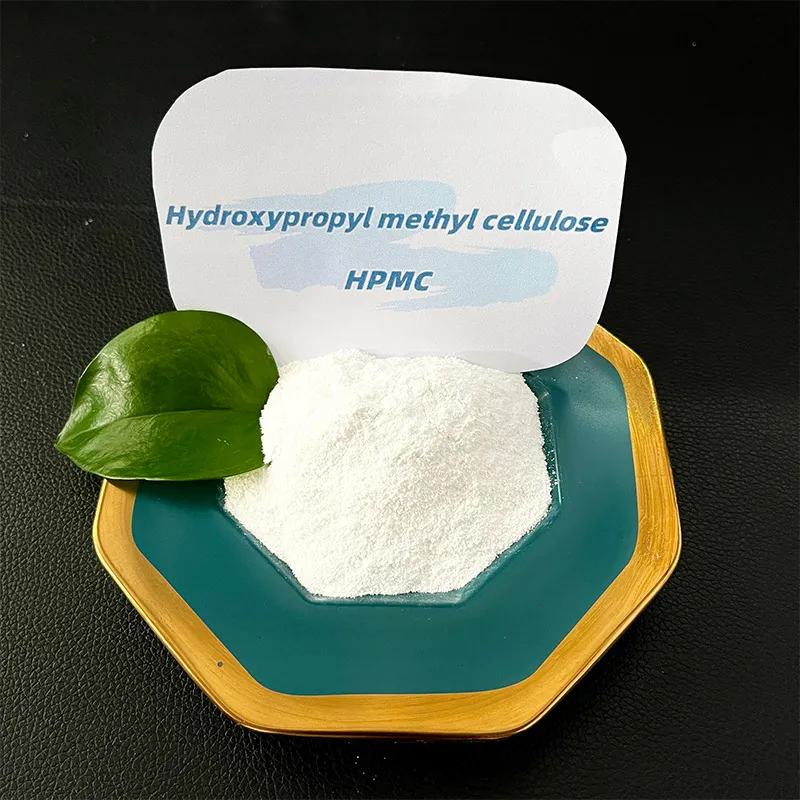
Hydroxypropyl Methyl Cellulose Ether Applications and Benefits Hydroxypropyl methyl cellulose ether (HPMC) is a versatile compound that has gained significant attention in various industries due to its unique properties and wide range of applications. This cellulose derivative, produced by the treatment of cellulose with propylene oxide and methyl chloride, is characterized by its excellent water solubility, film-forming ability, and capacity to modify viscosity. As we explore HPMC, we will delve into its applications, benefits, and future prospects. Properties of HPMC HPMC is a non-ionic, water-soluble polymer that has several advantageous properties. Its viscosity can be modified by altering the ratio of hydroxypropyl and methyl groups, allowing manufacturers to tailor it for specific applications. In addition to its solubility in water, HPMC is also resistant to acids, bases, and fermentation, making it a stable choice for various formulations. It forms a gel upon heating, which then provides a suitable environment for controlled-release applications. These properties make HPMC a key ingredient in pharmaceuticals, food processing, cosmetics, and construction materials. Applications in Pharmaceuticals One of the most prominent uses of HPMC is in the pharmaceutical industry, where it serves as a binder, film former, and controlled-release agent in drug formulations. HPMC is commonly found in tablet formulations, enhancing the uniformity and stability of the active ingredients. Its ability to form a gel at elevated temperatures is particularly useful in developing sustained-release medications, allowing for a gradual release of the drug over time, which can improve patient compliance and therapeutic outcomes. Moreover, HPMC is utilized as a coating agent for tablets and capsules, providing a protective layer that enhances the product’s stability and appearance. In topical formulations, HPMC contributes to the viscosity and texture, improving the feel and application of creams and ointments. The versatility of HPMC in pharmaceuticals underscores its importance in enhancing the efficacy and delivery of medicinal compounds. Role in Food Industry hydroxypropyl methyl cellulose ether In the food industry, HPMC is valued for its thickening, emulsifying, and stabilizing properties. It is used in various food products, including sauces, dressings, and ice creams, to improve texture and consistency. HPMC acts as a fat replacer, offering a creamy mouthfeel without the addition of calories, making it an ideal ingredient in healthier food alternatives. Additionally, HPMC is recognized for its role in gluten-free cooking. It helps bind ingredients together, enhancing the texture of baked goods, which often lack the structure provided by traditional gluten. Its ability to retain moisture also contributes to the freshness and shelf-life of food products, making it a crucial ingredient in modern culinary applications. Applications in Construction The construction industry has also embraced HPMC, where it is used as a key component in cement-based formulations, tile adhesives, and plaster. Its water-retaining properties help maintain workability and improve adhesion, making it easier to apply materials in various conditions. HPMC acts as a thickening agent in cement mixtures, enhancing the ease of application while minimizing sagging and slipping during the curing process. This contributes to the durability and strength of the final product, making HPMC a valuable additive in construction materials. Benefits and Safety HPMC is generally regarded as safe for use across various industries, with the Food and Drug Administration (FDA) and other regulatory bodies recognizing it as a non-toxic and non-allergenic compound. Its natural origin from cellulose makes it appealing to consumers who are increasingly seeking clean-label products. The multifunctional properties of HPMC allow for reduced formulation complexity, fewer raw materials, and enhanced efficiency, making it a cost-effective choice for manufacturers. Conclusion In conclusion, hydroxypropyl methyl cellulose ether is a multifunctional compound with a wide array of applications across numerous industries, including pharmaceuticals, food, and construction. Its unique properties, including water solubility, film-forming capacity, and viscosity modification, make it an invaluable ingredient in enhancing product performance. As industries continue to innovate, the demand for HPMC is expected to grow, solidifying its position as a vital component in modern formulations. The exploration of new applications and the development of tailored HPMC products will likely continue, showcasing the enduring relevance of this remarkable cellulose derivative.
-

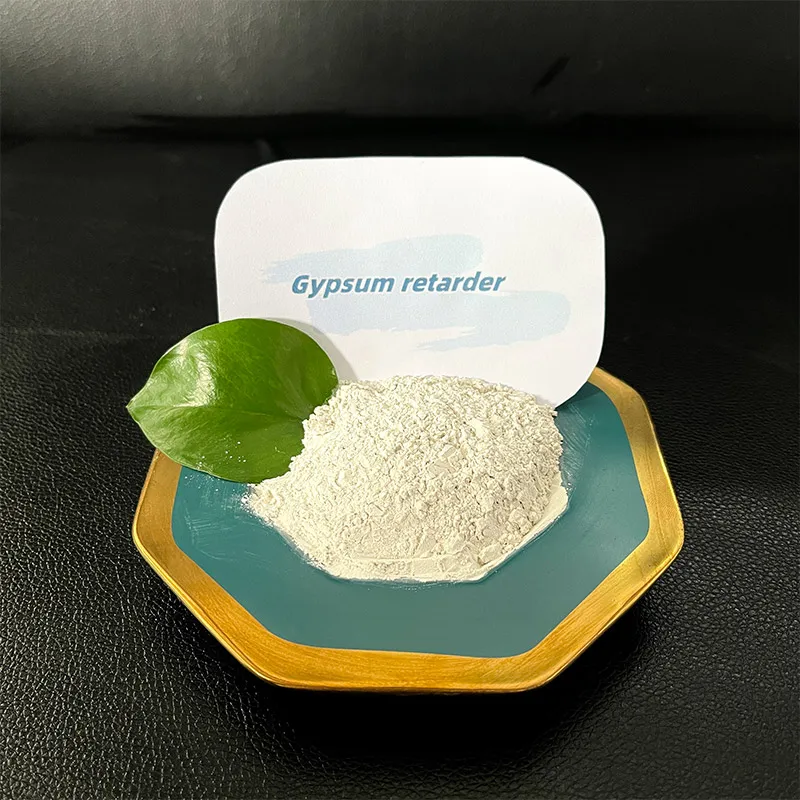
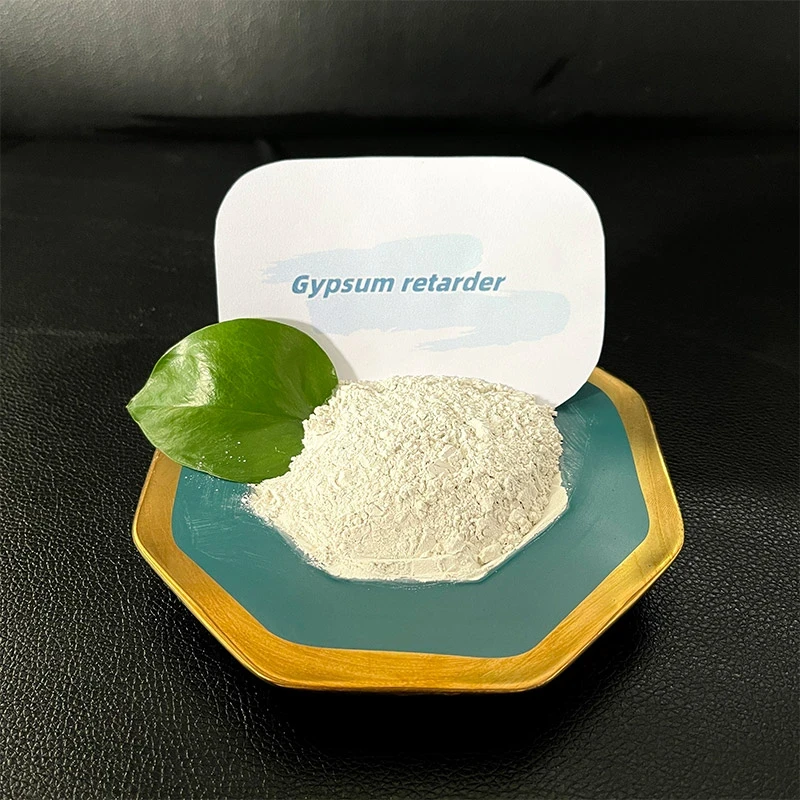
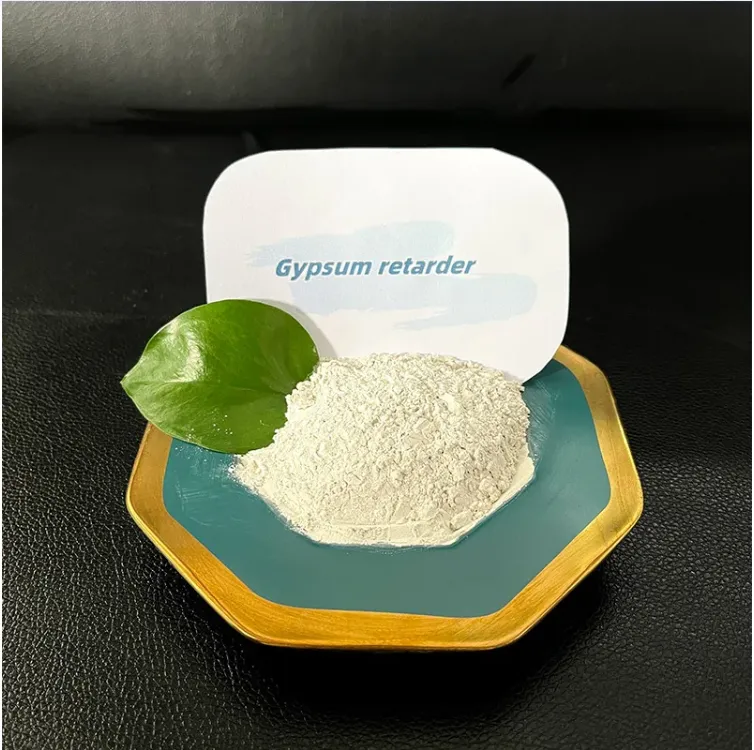
Retarders in gypsum are pivotal components that serve to adjust the setting time of gypsum-based products, providing ample workability and enhanced performance in various applications. Predominantly used in the construction industry, these retarders are instrumental in offering precise control over the hydration process of gypsum, thereby optimizing both the usability and the efficacy of the final product. One of the quintessential experiences when working with gypsum is managing its setting time. This is where retarders become invaluable . Without them, gypsum plaster would set too quickly, which can be problematic during applications requiring a more extended manipulation period. My first-hand experience in utilizing gypsum retarders has shown remarkable improvements in application efficiency, particularly in large-scale projects where precision is paramount. By incorporating retarders, the workability window is expanded, allowing for meticulous application without the stress of accelerated setting. In terms of expertise, understanding the chemical interaction between gypsum and retarders is critical. Retarders function by interfering with the crystallization process of calcium sulfate dihydrate, slowing down the conversion from hemihydrate to dihydrate. This expertise emerges as a critical factor in customizing gypsum products for specific needs. For instance, in decorative plasterwork, a more prolonged setting time is desirable to allow artisans enough time to create intricate designs. Consequently, selecting an appropriate retarder enhances the artisanal quality and reduces waste produced by premature setting. As an authoritative voice in the industry, my journalistic interactions with leading manufacturers and researchers underscore the importance of selecting high-quality retarders. These interviews have revealed that the most effective retarders are those derived from natural sources, such as citric acid or tartaric acid. These compounds not only effectively prolong the setting time but are also environmentally benign, promoting sustainable building practices. Furthermore, research publications consistently support the use of these natural retarders over synthetic alternatives, highlighting their superior performance and lower environmental impact. retarder in gypsum Trustworthiness in product description cannot be overstated, especially for those making decisions in procurement and application. Reliable gypsum retarders are backed by rigorous testing and certifications ensuring their effectiveness and safety. A key trust factor emerges from using products compliant with international standards, such as ISO regulations, which certify the performance consistency and quality assurance of the retarders. Trust is further reinforced by comprehensive usage guidelines provided by manufacturers, outlining the proportion of retarder to be used based on the gypsum's characteristics and environmental conditions, guaranteeing optimal results. A practical product application scenario involves using gypsum-based joint compounds in drywall installation. In my extensive use cases, incorporating retarders has proven to make a significant difference. The retarder ensures that the joint compound remains workable, allowing for a seamless application across extensive surfaces without the concern of irregular curing or cracking. This not only results in a professionally finished surface but also maintains structural integrity and aesthetic appeal over time. Moreover, as emerging technologies continue to integrate with construction methodologies, smart retarders are being developed to adapt to various environmental conditions. These advanced retarders adjust their performance based on temperature and humidity, providing a more predictable setting time regardless of external factors. This technological innovation propels gypsum products into a new era of reliability and functionality. In conclusion, retarders in gypsum products serve as indispensable tools in the modern construction landscape. Their ability to control setting times not only enhances application efficiency but also elevates the quality of the final product. With vast applications ranging from general construction to high-end decorative finishes, leveraging the experience, expertise, authority, and trustworthiness of properly selected retarders can lead to groundbreaking results and sustainable practices. As we embrace advancements within the industry, these additives will undoubtedly continue to play a critical role in shaping the future of construction materials, ensuring both performance excellence and environmental responsibility.
advantages
-

200000 Viscosities
Excellent product
We can produce pure products up to 200,000 viscosities
-

40000 tons
High yield
We don’t stop production all year round, and the annual output can reach 40,000 tons
-

24 hours
Quality service
We provide 24-hours online reception service, welcome to consult at any time
———— Inquiry Form
Schedule A services

-
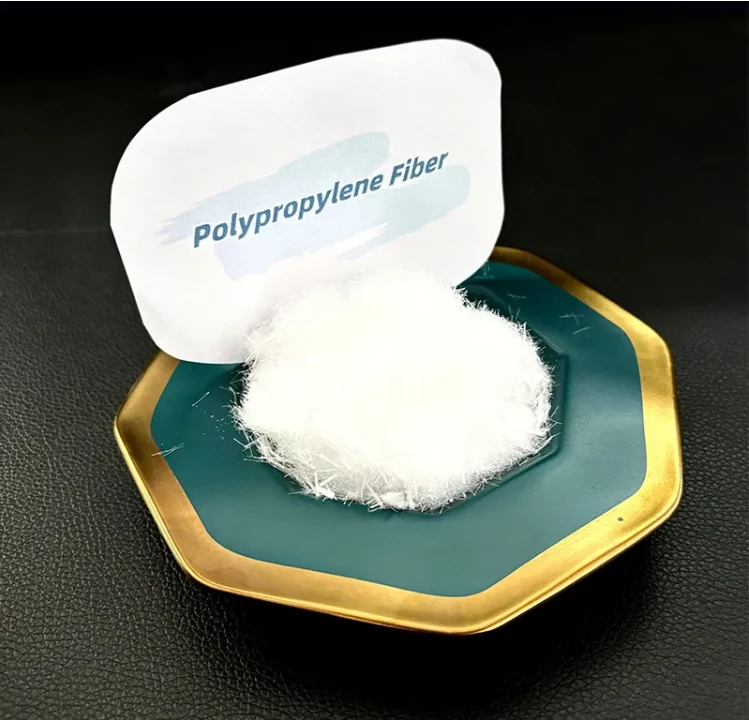
 polypropylene_fibre_concrete
Oct . 25, 2025
When evaluating dry eye treatment options, patients often consider the benefits and differences betw -
 methylcellulose_artificial_tears
Oct . 25, 2025
El Hormigón Armado con Polifibras Innovación y Ventajas en la Construcción Moderna El hormigón armad -
 grades_of_hpmc
Oct . 25, 2025
Methylcellulose artificial tears have emerged as a significant innovation in the field of ophthalmol


